
Why Children’s Eye Protection Matters

The Story Begins at Birth

Protecting Little Eyes for Life

Every parent wants to protect their child's future. We instinctively protect their skin from the sun, yet many people don't realise that a baby's eyes also need protection from ultraviolet (UV) radiation.

Developing Eyes

A Baby's Eyes Are Still Developing

The human eye continues to develop throughout childhood. During the early years of life, the eye's natural UV-filtering structures are still maturing. As a result, far more ultraviolet radiation can pass through a baby's eye than through the eye of an adult.

As children grow, the eye gradually develops its natural filtering ability, but during infancy and childhood the eye remains particularly vulnerable to UV exposure. This is why protecting children's eyes from the very beginning is so important.
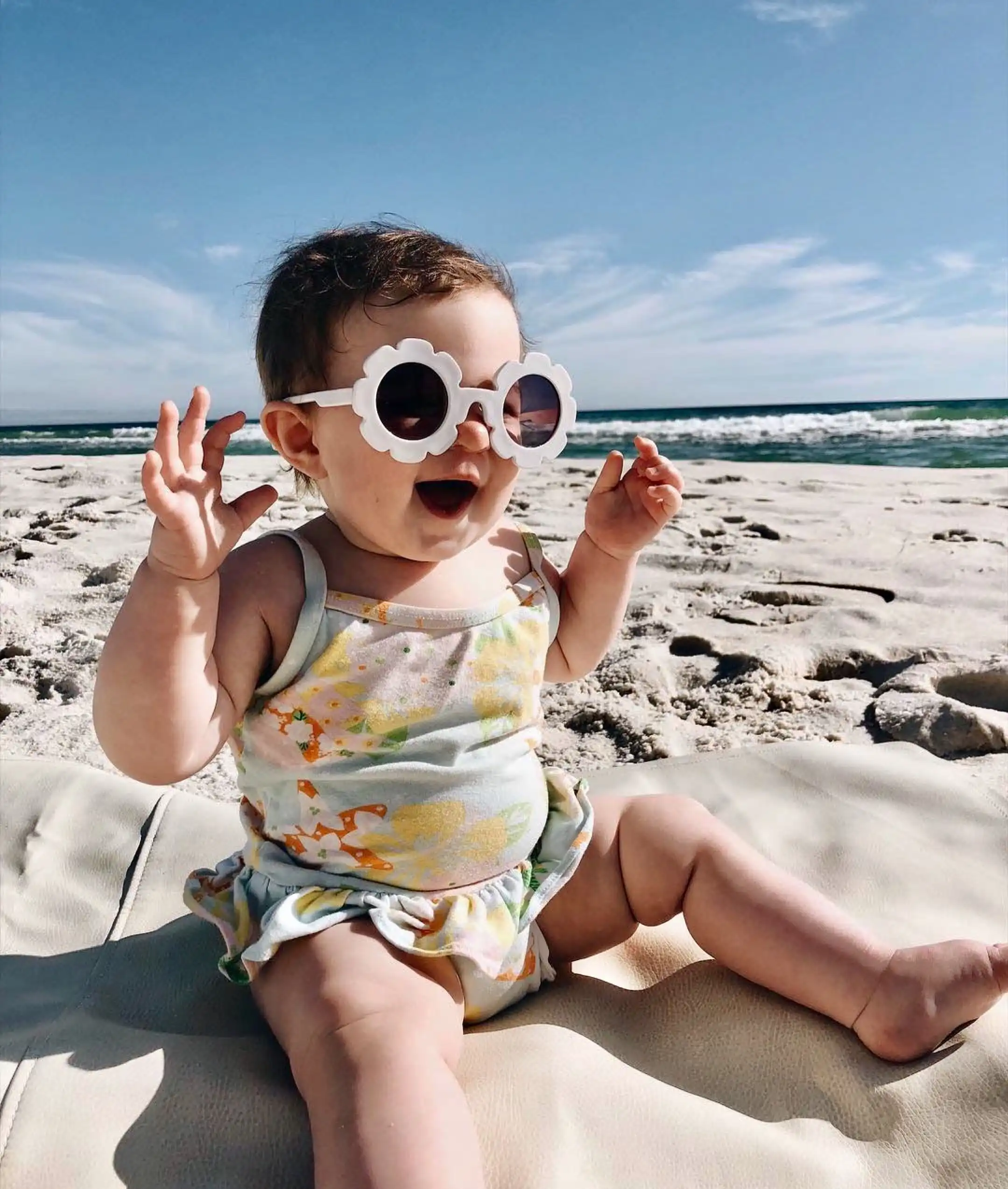
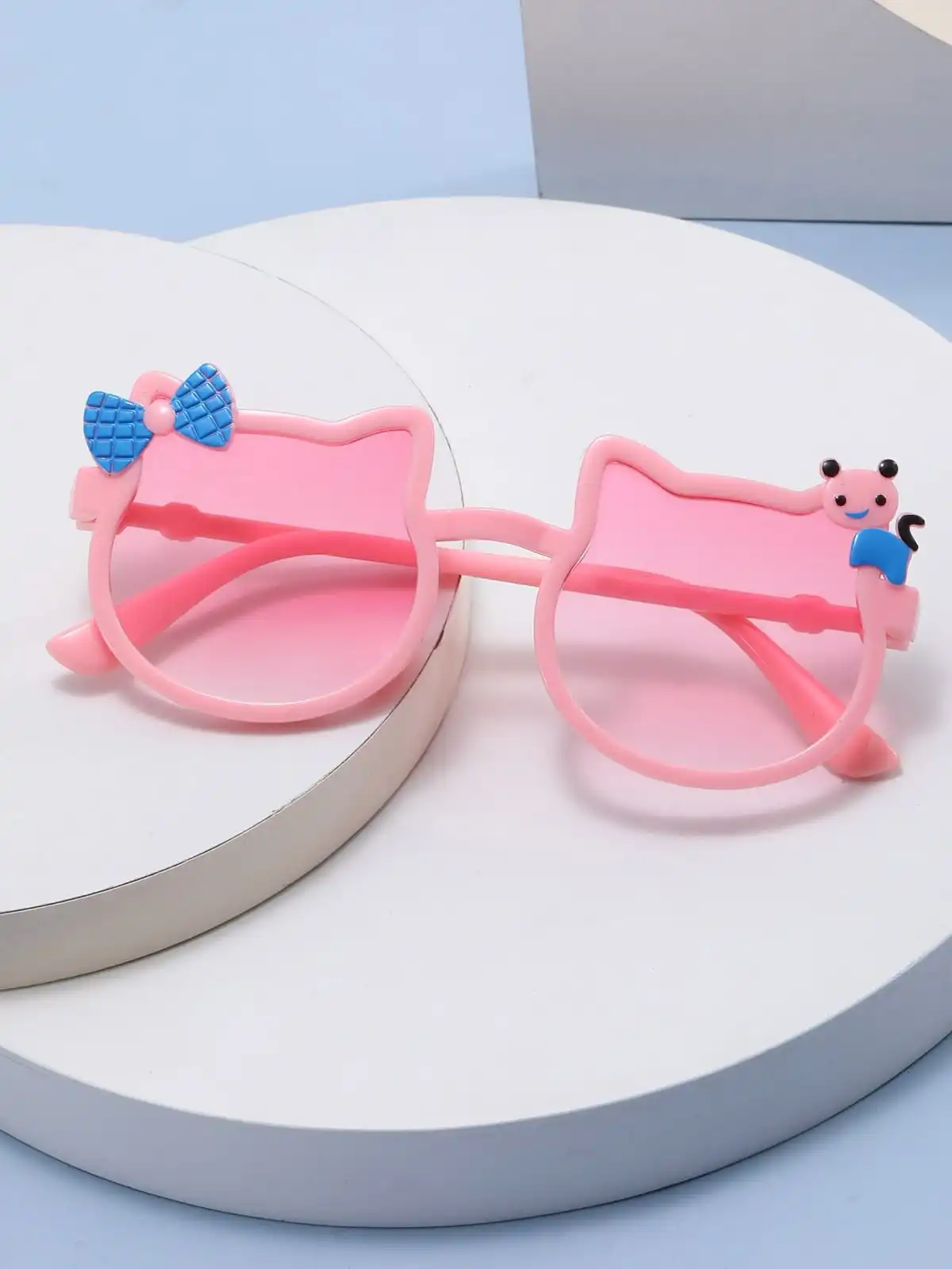
A Baby's Eyes Are Still Developing
20%

The World Health Organization estimates that around 20% of UV-A radiation may reach the inside of a newborn's eye, compared with only 1–2% in adults.

Cumulative Exposure

Why Childhood Matters

Unlike many injuries, UV damage usually doesn't happen overnight. Most damage occurs silently. Every day spent outdoors adds a little more exposure, and over many years, that exposure accumulates.

Scientists describe UV eye damage as cumulative—the amount received throughout life matters. By reducing UV exposure during childhood, we may reduce the total amount of damage the eyes receive across an entire lifetime. Healthy habits started early can provide lifelong benefits.

Why Childhood Matters